
Asbestos, once a commonly used material in construction, poses severe health risks when its fibers become airborne. During asbestos abatement, ensuring that air quality remains safe for workers and the surrounding environment is crucial. One of the most effective ways to achieve this is through air monitoring, which is essential for protecting health and safety throughout the removal process. California Certified uses advanced monitoring techniques to ensure every abatement project is handled safely and effectively.
What is Asbestos Abatement?
Asbestos abatement refers to the process of safely removing or managing asbestos-containing materials (ACMs) from buildings. It’s a complex, highly regulated procedure designed to prevent asbestos fibers from becoming airborne, which can cause serious health issues like lung cancer, mesothelioma, and asbestosis.
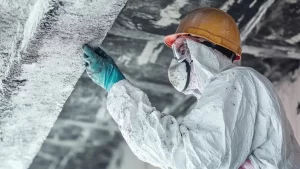
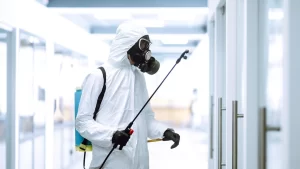
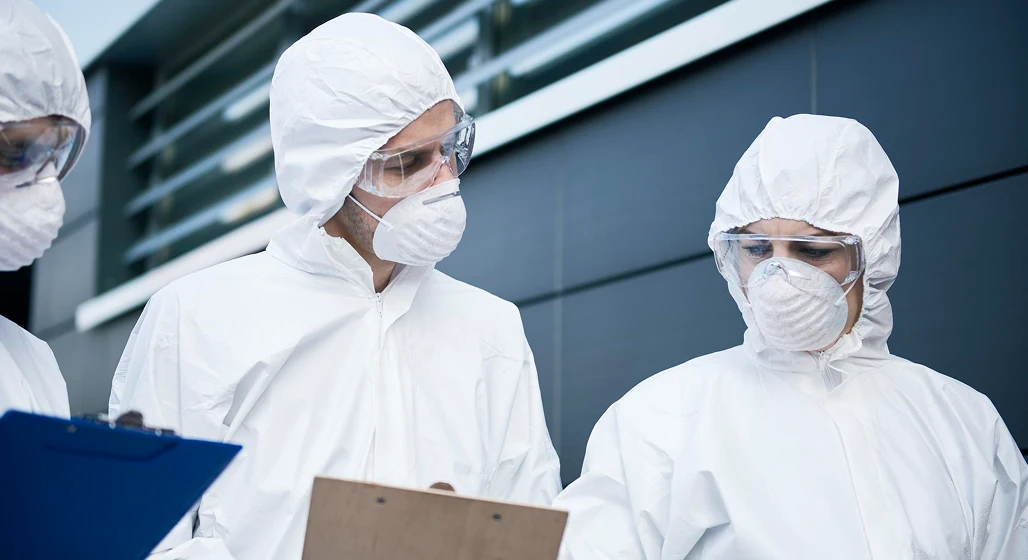
The role of certified professionals: Certified asbestos abatement specialists are equipped to handle the material safely. They use the latest techniques and technologies, including air monitoring, to ensure that the abatement process does not put workers or the public at risk.
For safe and certified asbestos removal, it’s essential to choose experienced professionals who follow strict guidelines, such as those provided by California Certified.
Why Air Monitoring is Essential for Safety
Air monitoring during asbestos abatement is essential for a few key reasons:
- Health risks of asbestos exposure: Asbestos fibers, when inhaled, can cause serious respiratory illnesses. The risk increases when fibers are present in the air during demolition, renovation, or maintenance work.
- Detection of airborne asbestos fibers: Air monitoring ensures that any fibers released into the air during the abatement process are detected promptly, allowing immediate action to be taken.
- Ensuring worker and public safety: Continuous air monitoring helps protect workers, occupants, and the surrounding community from exposure to asbestos particles.
By regularly testing the air quality during abatement, professionals can determine if the containment areas are holding up and whether additional measures are needed.
Key Benefits of Air Monitoring During Abatement
Air monitoring is not just a regulatory requirement; it offers several critical benefits:
- Prevents exposure to harmful asbestos fibers: Air monitoring detects asbestos fibers in real time, allowing immediate corrective action if levels exceed safe limits.
- Ensures compliance with regulations: Regulatory bodies like OSHA (Occupational Safety and Health Administration) and the EPA (Environmental Protection Agency) require air quality monitoring during asbestos removal. This ensures that abatement companies follow safety protocols.
- Protects the environment: Ensuring that asbestos fibers don’t escape into the air during abatement minimizes the risk to surrounding properties, preventing cross-contamination.
The Process of Air Monitoring During Asbestos Abatement
Air monitoring involves several stages, each designed to measure and ensure air quality throughout the abatement process:
- Pre-abatement testing: Air quality is assessed before any work begins to establish baseline conditions and to identify any existing airborne fibers.
- During abatement testing: Continuous monitoring is conducted during the removal process to ensure the integrity of containment areas, such as negative air pressure enclosures.
- Post-abatement testing: After the removal is complete, air samples are taken to ensure that the area is free from airborne asbestos fibers and safe for reoccupancy.
Advanced air monitoring technologies like Phase Contrast Microscopy (PCM) and Transmission Electron Microscopy (TEM) are used to analyze air samples and detect even minute amounts of asbestos fibers.
For comprehensive asbestos removal and air monitoring, services like those provided by California Certified offer cutting-edge solutions to ensure safety and compliance.
How Air Monitoring Helps Maintain Compliance with Safety Standards
Several agencies set strict guidelines for air quality during asbestos abatement:
- OSHA and EPA regulations: These agencies mandate that air monitoring is conducted throughout the abatement process to ensure that airborne asbestos concentrations remain below permissible limits. This helps minimize health risks to workers and the public.
- Documentation and reporting: Proper air monitoring also involves documenting results and maintaining records, which are essential for regulatory compliance and legal protection. If asbestos exposure leads to legal action, these records serve as crucial evidence.
California Certified follows all applicable safety standards and regulations, ensuring that every asbestos removal project meets the highest safety and compliance benchmarks.
Common Air Monitoring Techniques Used During Abatement
To monitor the air for asbestos fibers, several techniques are employed:
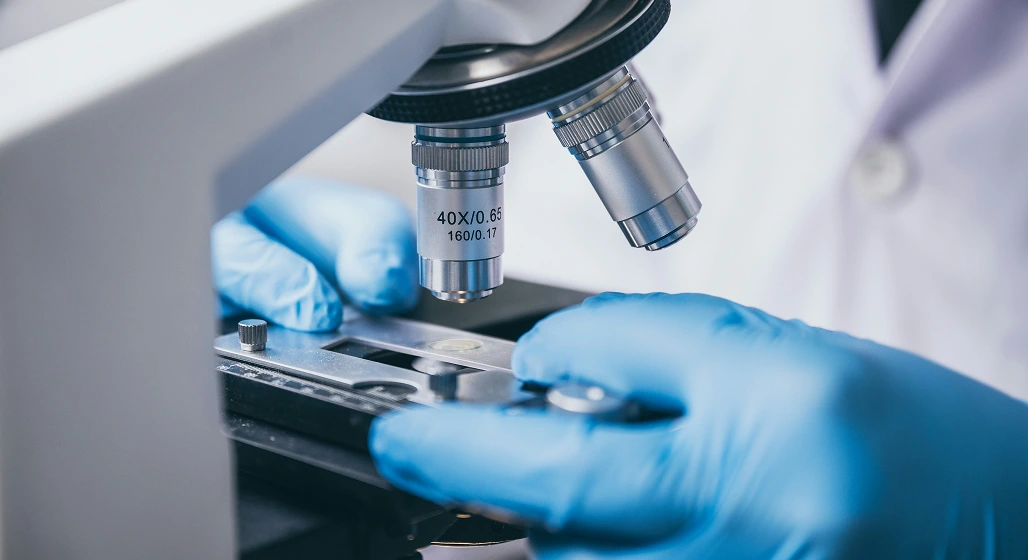
- Phase Contrast Microscopy (PCM): PCM is one of the most common techniques used to detect asbestos fibers in the air. It allows for the real-time analysis of air samples to determine fiber concentration.
- Transmission Electron Microscopy (TEM): TEM is a more precise method that can identify and count individual asbestos fibers, even at very low concentrations. It is typically used for post-abatement testing to ensure the area is thoroughly cleaned.
Both methods are critical in ensuring the accuracy of air monitoring during asbestos abatement.
When and How Often is Air Monitoring Conducted?
Air monitoring is a continuous process, conducted at various stages of asbestos abatement to ensure safety at all times:
- Pre-abatement: Baseline air quality measurements are taken before work begins, providing a clear starting point.
- During abatement: Air monitoring is conducted continuously throughout the removal process to check for any breaches in containment areas or spikes in asbestos fiber levels.
- Post-abatement: Final air tests are conducted after the removal is complete, to ensure the site is safe for reoccupation. Only after air quality is confirmed to be within safe levels is the area cleared for public access.
Regular air monitoring ensures that abatement is being carried out properly, with all safety measures in place.
The Impact of Air Monitoring on Project Success
Effective air monitoring can significantly impact the success of an asbestos abatement project by:
- Ensuring safety: Air monitoring protects workers, occupants, and the surrounding community from asbestos exposure.
- Reducing liability: By adhering to strict safety standards, abatement professionals minimize the risk of legal claims related to asbestos exposure.
- Protecting reputation: Companies that prioritize air quality and safety throughout the abatement process build trust with clients, demonstrating their commitment to health and safety.
Air monitoring is a crucial part of asbestos abatement, ensuring the safe removal of asbestos while protecting workers and the public. Working with experienced, certified professionals who use advanced air monitoring techniques is essential for compliance and safety. For expert asbestos removal and reliable air monitoring services, visit California Certified, where their team uses the latest technologies to manage every step of the process effectively.