
Mold in restaurants and hotels is not just an aesthetic issue; it is a health hazard and a business risk. Mold can cause a range of health problems for guests and staff, damage your property, and tarnish your business’s reputation. For businesses in the hospitality industry, the idea of shutting down operations to address mold can seem like a worst-case scenario. However, resolving mold issues without halting your daily operations is entirely possible with the right approach and expert help.
In this article, we’ll explore how you can address mold issues in your hotel or restaurant efficiently, ensuring that your operations continue smoothly while maintaining the safety of your guests and employees. For professional, commercial mold remediation that minimizes disruptions, California Certified provides safe and effective solutions.
Understanding Mold Risks in Restaurants and Hotels
Mold growth is a common problem in places like restaurants and hotels due to the high levels of moisture, frequent water leaks, and the need to maintain certain environmental conditions. Both kitchens and guest rooms face unique risks:
- Kitchens and dishwashing areas in restaurants are particularly vulnerable to mold due to their high humidity, constant water usage, and the potential for spills that are left uncleaned. The moisture in these spaces, combined with food particles, creates the perfect breeding ground for mold growth.
- Bathrooms and laundry rooms in hotels also have high moisture content, especially if there are plumbing issues or poor ventilation. Showers, tubs, sinks, and washing machines contribute to water accumulation, which, if not properly addressed, can quickly turn into a mold problem.
- HVAC systems are another area that often goes unnoticed but can harbor mold. When HVAC systems circulate air throughout a building, they can inadvertently distribute mold spores. These spores can affect air quality and pose health risks to both employees and guests.
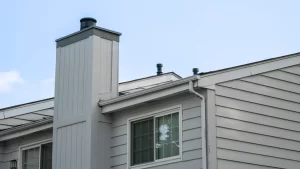
- Guest rooms and dining areas are also at risk from issues like roof leaks, plumbing failures, or even condensation caused by weather changes. Leaks can remain hidden, allowing mold to flourish in these areas without detection.
Mold not only damages property but also presents serious health risks. Exposure to mold spores can lead to allergic reactions, respiratory issues, and other health problems, which is why it’s essential to address mold growth quickly. Additionally, failing to take action can result in legal liabilities, insurance claims, and loss of business reputation, all of which can be detrimental to your hotel or restaurant.
Signs Your Business May Have a Mold Problem
Early detection is key to preventing mold from spreading throughout your property. By staying vigilant and monitoring for signs of mold, you can catch potential problems before they become major issues. Here are some telltale signs that your restaurant or hotel might have a mold problem:
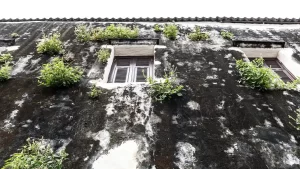
- Visible mold on walls, ceilings, or floors is the most obvious indicator of a mold problem. Mold often appears as black, green, or white patches that may seem to spread quickly once established. Keep an eye out for discoloration or fuzzy growth on surfaces, especially in areas prone to moisture.
- Water damage indicators such as water stains, peeling paint, or warped surfaces can also point to underlying moisture issues that may encourage mold growth. If you notice these signs, it’s essential to investigate further.
- Musty odors are often a strong indicator of mold, especially if you notice the smell in specific areas like bathrooms, kitchens, or laundry rooms. Mold and mildew often emit a musty or damp smell, which can become increasingly pungent as the problem worsens.
- Health complaints from guests or staff can also signal a mold problem. If employees or guests experience symptoms like coughing, sneezing, watery eyes, or skin rashes, it may be due to mold exposure. These symptoms can worsen if mold is not addressed promptly.
By recognizing these signs early, you can take proactive steps to prevent mold from becoming a significant issue and avoid costly repairs or disruptions.
How to Assess Mold Without Shutting Down Operations
If you suspect mold in your restaurant or hotel, the next step is to assess the situation carefully. The goal is to identify the extent of the problem without disrupting operations. This can be achieved through safe and effective inspection methods:
- Targeted inspections involve focusing on high-risk areas, such as kitchens, bathrooms, and HVAC systems. By conducting inspections in specific zones, you can minimize disruption while identifying areas of concern. For example, in a hotel, it’s important to inspect guest rooms, common areas, and service spaces.
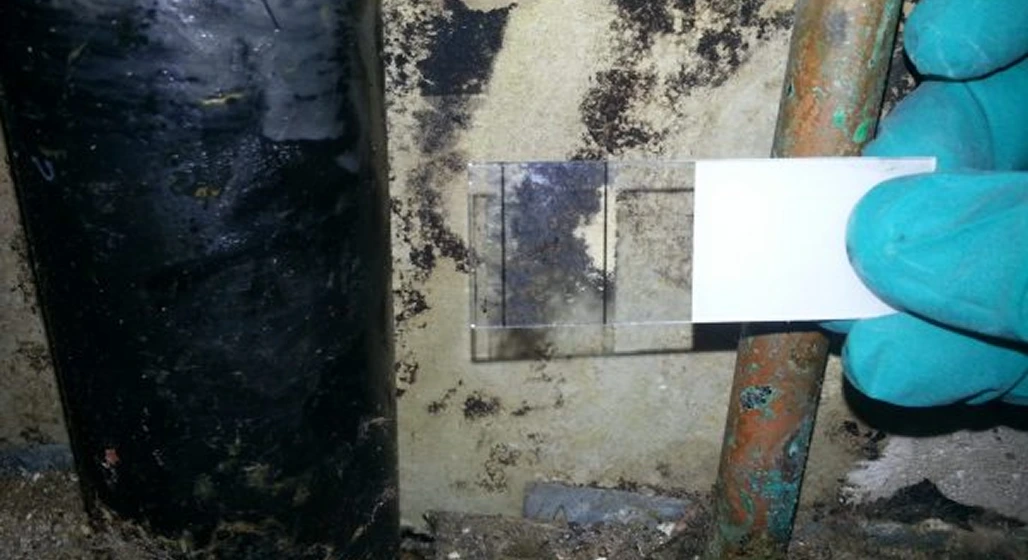
- Non-invasive testing involves techniques like air sampling and moisture detection that can pinpoint hidden mold without requiring demolition. These methods can be done in real-time without disturbing the property, allowing the business to continue functioning normally.
- Phased inspections can help you manage the process without halting business. Instead of closing down an entire building or section, inspections can be done in phases, focusing on one section at a time. This way, only parts of the property are closed off during inspections, minimizing operational downtime.
For businesses that want a comprehensive and safe mold assessment, contacting California Certified can help. Their certified professionals use advanced tools and methods to assess mold without interfering with your daily operations, ensuring that your business remains open while the problem is identified.
Containment Strategies While Remaining Operational
When dealing with mold, proper containment is essential to prevent spores from spreading while remediation is underway. Fortunately, several effective strategies allow mold to be contained without shutting down daily operations:
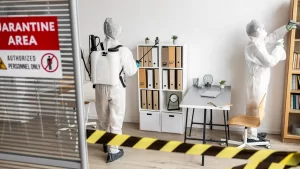
- Localized barriers can be set up using temporary walls or plastic sheeting to seal off affected areas. This helps to prevent mold spores from moving to other parts of the building while remediation occurs. These barriers also help maintain a safe environment for staff and guests.
- Air filtration is essential for reducing airborne mold spores. Using HEPA air scrubbers can help purify the air, filtering out any mold spores that might become airborne during the remediation process. Air scrubbers are especially useful in high-traffic areas like lobbies, kitchens, and hallways.
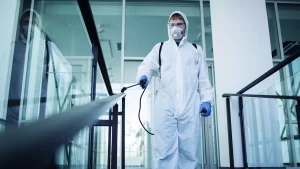
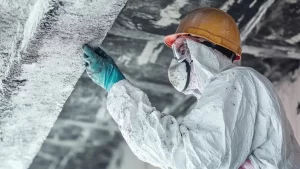
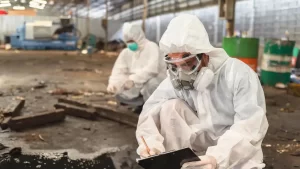
- Staff protection should be prioritized. Workers involved in the mold removal process should wear proper personal protective equipment (PPE) such as gloves, masks, and protective clothing to prevent exposure to mold spores.
- Off-peak scheduling is a great way to conduct remediation work with minimal impact. Scheduling the work during overnight hours or during slow periods can help avoid guest disruptions. For restaurants, this might mean scheduling work during non-peak dining hours, while hotels can schedule remediation during periods of low occupancy.
By using these strategies, businesses can continue operations while ensuring mold is contained and safely removed.
Mold Removal Techniques That Don’t Require Full Shutdown
When it comes to removing mold, various techniques can be used without completely shutting down your restaurant or hotel:
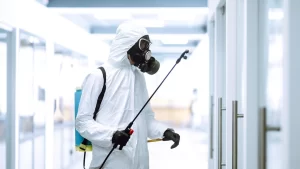
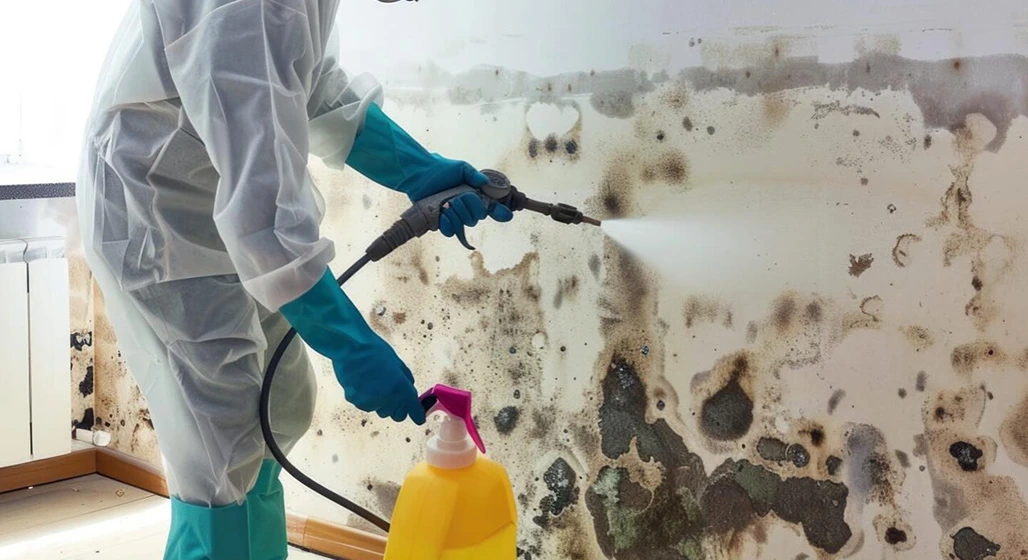
- Surface cleaning is one of the most effective methods for addressing visible mold on walls, ceilings, and floors. Specialized antifungal solutions can be applied to remove mold growth and prevent it from returning.
- HVAC treatment involves cleaning and disinfecting air ducts and vents to prevent mold from spreading through the building’s air system. This is an essential step, as mold in HVAC systems can be hard to detect but can lead to widespread contamination if left unaddressed.
- Hidden mold remediation focuses on areas that are not easily accessible, such as inside walls or ceilings. Professionals use non-invasive techniques, such as moisture mapping or thermal imaging, to locate hidden mold and address it without major renovations.
- Safe chemicals can be used in environmentally friendly antimicrobials that treat both visible and hidden mold while maintaining air quality. These chemicals are designed to eliminate mold and inhibit future growth, making them a long-term solution to mold issues.
For mold removal that minimizes disruption to your operations, it’s crucial to work with California Certified. Their expertise in commercial mold remediation ensures that mold is removed efficiently and safely.
Preventive Measures to Avoid Future Mold Problems
Once mold has been remediated, it’s important to take steps to prevent future issues. Mold thrives in areas with high moisture and poor ventilation, so proper maintenance and regular inspections are essential to keep mold at bay:
- Regular inspections of plumbing, roofing, and HVAC systems can help identify leaks or water damage before it becomes a mold problem. By proactively addressing minor issues, you can prevent major mold infestations in the future.
- Humidity control is essential, especially in kitchens, bathrooms, and laundry areas. Using dehumidifiers and ensuring proper ventilation helps keep moisture levels under control, making it harder for mold to grow.
- Staff training on how to spot early signs of mold and water damage is an important part of your prevention strategy. By ensuring that your staff is well-equipped to identify potential issues, you can act quickly before mold spreads.
- Use of mold-resistant materials during renovations or repairs can significantly reduce the likelihood of mold growth. For example, mold-resistant drywall and paints can provide additional protection in areas prone to moisture.
By implementing these preventive measures, you can create a healthier environment for both your guests and staff, reducing the risk of future mold problems.
Working With Professionals vs DIY Remediation
While it might seem tempting to handle mold removal yourself, DIY remediation can be risky, especially in commercial settings. Here’s why working with professionals is often the better choice:
- Incomplete removal of mold can lead to regrowth if the mold spores are not eliminated. Professional services ensure that every trace of mold is removed, reducing the chance of it coming back.
- Improper handling of mold can expose you and your staff to dangerous spores, which could result in health issues or legal liabilities.
- Insurance claims may be jeopardized if mold remediation is not carried out by certified professionals. Insurance companies typically require documentation of certified remediation work to process claims.
Hiring California Certified ensures that mold is completely and safely removed, while also providing the necessary documentation for insurance purposes.
Insurance Considerations for Mold in Restaurants and Hotels
Mold remediation can be costly, but your commercial property insurance may cover some or all of the costs associated with mold damage. Here are some important things to consider:
- Document everything related to the mold issue, including the inspection, remediation, and any repairs. Proper documentation is essential for supporting insurance claims.
- Review your policy to make sure it covers mold-related damages. Not all commercial property insurance policies include mold coverage, so it’s important to clarify this before you face a mold problem.
- Professional involvement is often required by insurers to approve mold-related claims. Hiring California Certified ensures that your remediation work meets the requirements of your insurance policy.
By understanding your insurance coverage and working with certified professionals, you can reduce the financial burden of mold remediation.
Mold in restaurants and hotels must be addressed promptly to protect the health of guests and employees. By using targeted inspections, containment, non-invasive remediation, and preventative measures, businesses can resolve mold issues efficiently without shutting down operations. For safe, effective, and certified commercial mold solutions, contact California Certified to protect your property, staff, and guests from the dangers of mold.