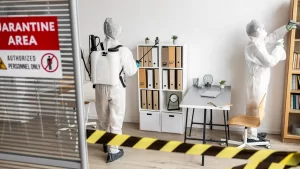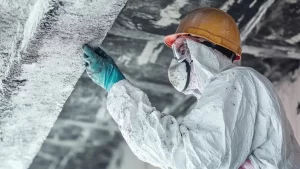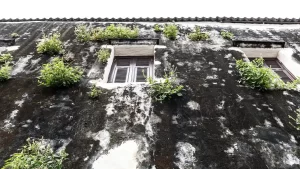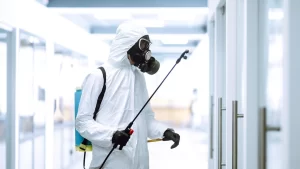
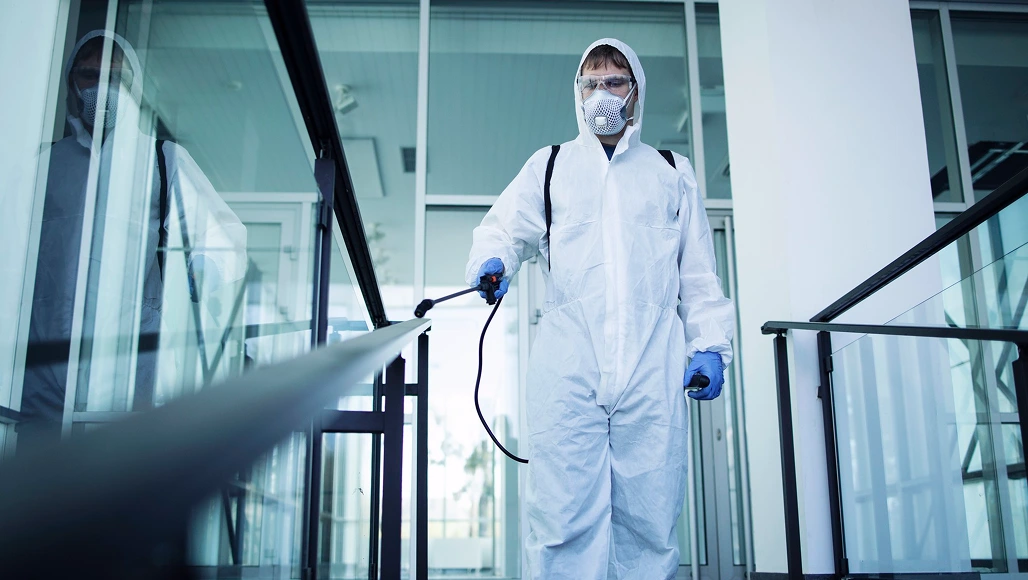
Mold growth is a persistent challenge for commercial properties, and even after professional remediation, it can reappear if preventive measures are not properly implemented. Recurring mold can damage structural components, compromise indoor air quality, and create health hazards for employees, clients, and visitors. For business owners and property managers, preventing mold regrowth is essential to protect the building, maintain a safe and healthy environment, and support insurance coverage in case of future claims. Partnering with California Certified ensures that remediation is performed the first time, providing a strong foundation for long-term prevention and property protection.
Understand the Causes of Mold Recurrence
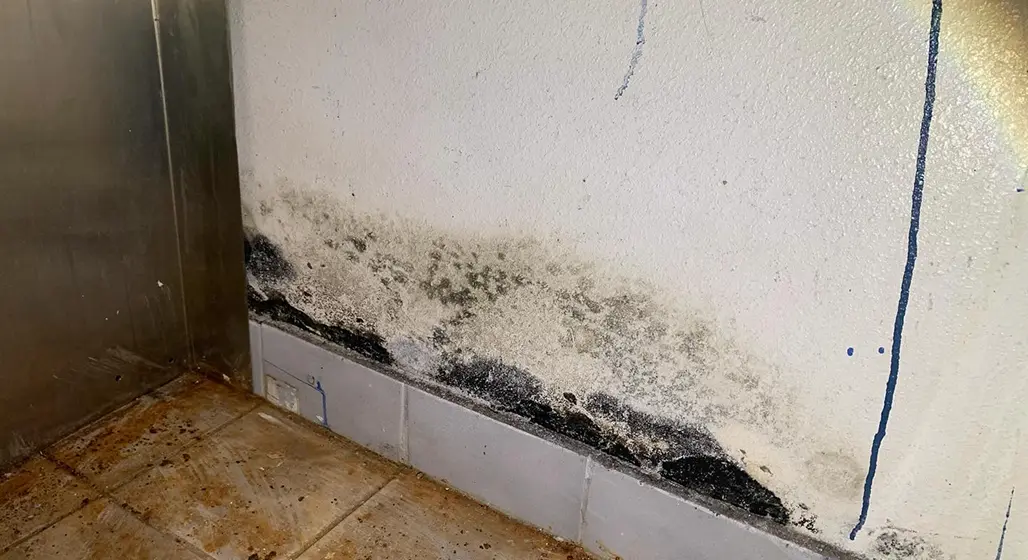
Understanding why mold returns is the first step in preventing it. Mold needs moisture, nutrients, and the right temperature to grow, and any lapse in controlling these factors can lead to recurrence. Water intrusion from roof leaks, faulty plumbing, condensation from HVAC systems, or flooding creates the perfect environment for mold spores to thrive. Even minor leaks, if left untreated, can allow hidden mold to develop behind walls, under flooring, or inside ceilings.
Additionally, organic materials like carpets, insulation, drywall, and wood act as fuel for mold growth. Spores can remain dormant in these materials until conditions are favorable, allowing mold to reestablish itself even after remediation. Another common factor is incomplete remediation. If the initial cleanup missed contaminated areas or if surfaces weren’t thoroughly dried, mold spores can survive and multiply rapidly. California Certified has the experience and tools to ensure comprehensive remediation, reducing the risk of recurrence significantly.
Maintain Proper Humidity and Ventilation
Maintaining proper humidity and ventilation is one of the most effective ways to prevent mold regrowth. Mold thrives in damp environments, so keeping indoor humidity levels below 50% is crucial. Using dehumidifiers in areas prone to moisture, such as basements, storage rooms, or break rooms, helps maintain a dry and inhospitable environment for mold spores.
Proper air circulation also plays a key role. HVAC systems should be regularly inspected and cleaned, vents should remain unblocked, and airflow throughout the building should be consistent. Stagnant air pockets allow mold spores to settle and grow, so ensuring that air moves freely helps prevent these hotspots. Implementing a combination of humidity control and ventilation reduces the likelihood of mold establishing itself again after remediation.
Regular Inspections and Monitoring
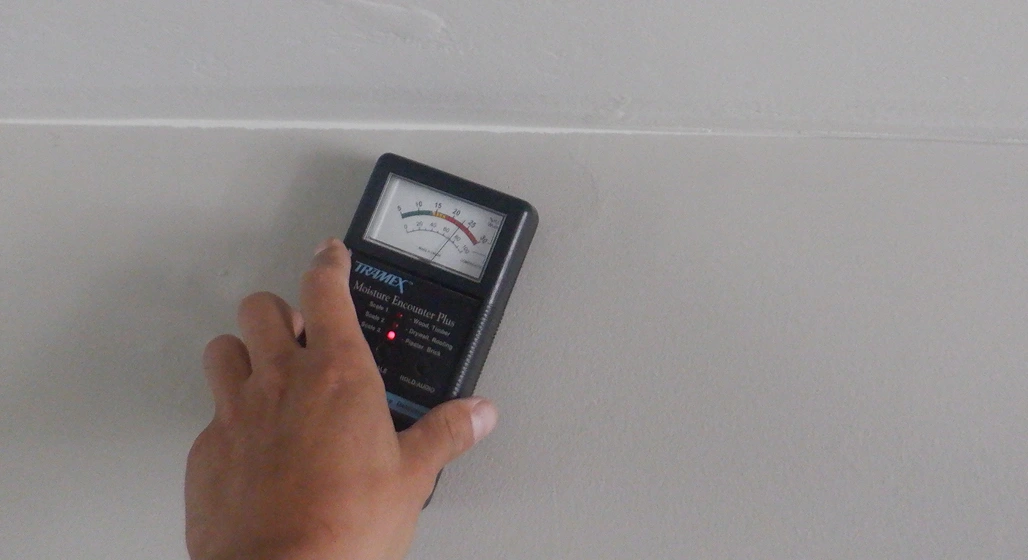
Even after remediation, routine inspections are vital to detect potential issues before they become major problems. High-risk areas, such as restrooms, basements, storage areas, and spaces near water sources, should be checked frequently for moisture, condensation, or visible signs of mold.
Advanced tools such as moisture meters, hygrometers, and infrared cameras can uncover hidden water problems that might otherwise go unnoticed. In addition, professional follow-up inspections by California Certified ensure that remediation efforts remain effective and that conditions remain safe. Regular monitoring not only reduces the risk of mold returning but also provides documentation that can support insurance coverage and liability protection.
Address Water Leaks and Plumbing Issues Promptly
Water leaks and standing water are the leading causes of mold recurrence. Prompt identification and repair of plumbing leaks, roof leaks, or structural water intrusion are critical to preventing mold growth. Even small leaks, if ignored, can result in hidden water damage and mold colonies over time.
In addition to fixing leaks, proper drainage around the property should be maintained to prevent water from pooling near foundations or in low-lying areas. Timely action in addressing water issues helps prevent mold from developing and supports insurance claims by demonstrating proactive property management. By minimizing water exposure, commercial properties remain safer and less prone to costly mold remediation in the future.
Proper Cleaning and Maintenance Practices
Regular cleaning and maintenance are essential components of mold prevention. Even after remediation, moisture-prone areas should be cleaned consistently with mold-resistant products. Carpets, furniture, and other absorbent materials must be kept dry and free from prolonged exposure to spills or condensation.
Professional maintenance can include periodic cleaning of carpets, upholstery, and HVAC systems to prevent hidden mold from developing. By combining routine cleaning with professional oversight, property owners create an environment that is difficult for mold to thrive in. Maintaining cleanliness not only safeguards the building’s structure but also ensures a healthier environment for employees and visitors.
Implement Mold-Resistant Materials
When renovating or updating commercial properties, choosing mold-resistant materials can make a significant difference in long-term prevention. Mold-resistant paints, drywall, and insulation are specifically designed to prevent spore growth, even in areas with high humidity or moisture exposure.
Consulting with California Certified helps identify areas most vulnerable to mold and determine which materials provide the greatest protection. Investing in these materials may have higher upfront costs, but it prevents recurring mold problems and reduces future remediation expenses. Mold-resistant upgrades strengthen the building’s resilience and provide peace of mind for property managers.
Educate Staff and Property Managers
Prevention is most effective when everyone in the building is aware of potential risks. Staff and property managers should be trained to identify early signs of moisture, leaks, or mold growth. Prompt reporting of small water leaks, condensation, or discoloration on walls can prevent minor issues from becoming larger problems.
Documenting these observations and the steps taken to address them is also essential for insurance purposes. Proper documentation shows a proactive approach to property maintenance and risk reduction. When employees and managers are educated and vigilant, mold issues can be resolved quickly, minimizing damage, health risks, and associated costs.
Insurance Considerations
Preventing mold recurrence is not only critical for property protection but also for insurance purposes. Many commercial insurance providers require evidence of proactive maintenance and preventive measures before approving claims related to mold damage.
Routine inspections, professional remediation documentation, and records of preventive measures can strengthen coverage eligibility and demonstrate that property management takes mold prevention seriously. Partnering with California Certified ensures remediation meets industry standards, which is often a key requirement for insurance compliance. A mold-free property reduces financial risk and liability exposure for business owners while supporting smooth insurance claims when needed.
Preventing mold from returning after commercial remediation requires a proactive approach that includes understanding the causes of recurrence, controlling humidity and ventilation, performing regular inspections, addressing leaks promptly, maintaining consistent cleaning, and using mold-resistant materials. Educating staff and keeping proper documentation further support prevention and insurance coverage. For businesses seeking long-term protection, consulting California Certified ensures expert remediation, guidance on preventive measures, and follow-up inspections to keep commercial properties safe, healthy, and compliant, ultimately protecting the property, employees, and investment.