Public buildings such as schools and hospitals are designed to be safe havens for students, staff, and patients. However, hidden dangers like asbestos can compromise safety without anyone realizing it. Asbestos, once a common building material, is now recognized as a serious health hazard. Exposure can lead to life-threatening illnesses, and failing to remediate asbestos properly can result in lawsuits, regulatory fines, lost rent, and costly operational disruptions. For building owners and administrators in Los Angeles, understanding the risks, legal obligations, and remediation process is essential to maintain safe and compliant environments. Working with licensed, experienced professionals like California Certified ensures that asbestos removal is handled efficiently and safely.
Understanding the Hidden Risks of Asbestos in Public Buildings
What Is Asbestos and Why It’s Dangerous
Asbestos is a naturally occurring mineral fiber that was widely used in construction materials from the 1920s through the 1980s. It is durable, resistant to heat, and excellent for insulation, which makes it a popular choice in walls, ceilings, flooring, roofing, and piping. Despite its usefulness, asbestos is extremely hazardous when disturbed because it releases microscopic fibers into the air.
When inhaled, these fibers can embed in lung tissue and lead to serious health issues over time, including:
- Mesothelioma, a rare and aggressive cancer affecting the lining of the lungs, abdomen, or heart.
- Asbestosis, a chronic lung disease caused by scarring from inhaled asbestos fibers.
- Lung cancer, which can develop in those exposed to asbestos over long periods.
Schools and hospitals, due to their high occupancy and long-term use, are particularly vulnerable. Asbestos-containing materials (ACMs) are commonly found in:
- Wall, ceiling, and attic insulation
- Vinyl and tile flooring
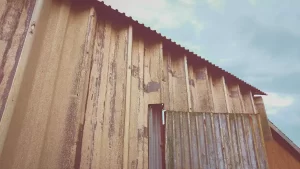
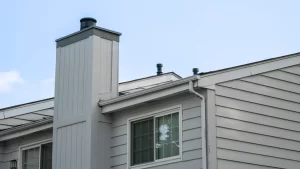
- Roofing and siding materials
- Popcorn ceilings and textured coatings
- Pipe insulation and HVAC ductwork
- Cement boards and panels
These materials can remain hidden for decades, making routine inspections and professional remediation critical for protecting occupants.
Why Public Buildings Are Particularly Vulnerable
Older public buildings, especially those constructed before the 1980s, are more likely to contain asbestos. Renovation projects, routine maintenance, or accidental damage to these materials can release dangerous fibers into the air. Schools and hospitals, with high foot traffic, frequent renovations, and constant occupancy, are at increased risk of asbestos exposure. Additionally, administrators and building owners face heightened liability, as they are legally responsible for providing safe environments. Ignoring asbestos hazards can lead to costly lawsuits, long-term health risks for occupants, and damage to your facility’s reputation.
Legal and Financial Consequences of Ignoring Asbestos
Lawsuits and Liability Risks
Neglecting asbestos remediation in schools and hospitals can have severe legal consequences. Building owners, school districts, and hospital administrators can be held liable if occupants are exposed to asbestos fibers. There have been numerous legal cases in California where failure to address asbestos hazards resulted in multimillion-dollar settlements. Lawsuits often arise from:
- Students developing asbestos-related illnesses in school buildings
- Hospital staff or patients exposed during renovations or maintenance
- Failure to disclose known asbestos hazards during property transactions
The financial and reputational damage can be devastating, particularly for public institutions.
California has strict asbestos regulations to safeguard public health. Key compliance requirements include:
- Permits and Notifications: Any project disturbing over 100 square feet of ACMs must notify the South Coast Air Quality Management District (SCAQMD) at least 10 working days before starting.
- Licensed Contractors Only: All asbestos abatement must be performed by OSHA-certified contractors registered with the California Department of Industrial Relations (DIR). Hiring unlicensed contractors can result in fines and forced project shutdowns.
- Proper Disposal: Asbestos waste must be transported to EPA-approved hazardous waste facilities, with proper documentation required at every step.
Adhering to these regulations not only protects public health but also shields your organization from potential fines and legal actions.
Costs of Non-Compliance
Failure to comply with asbestos regulations can be financially catastrophic. Violations may result in:
- Fines exceeding $25,000 per day
- Criminal liability for willful neglect
- Temporary closure of schools, hospitals, or other public buildings
- Loss of rent or revenue due to unplanned disruptions
- Long-term health lawsuits from exposed occupants
Investing in professional asbestos remediation ensures compliance, mitigates legal risk, and safeguards both people and property.

The Asbestos Abatement Process for Schools and Hospitals
Professional asbestos remediation involves a detailed, multi-step process designed to protect occupants while adhering to all legal and safety requirements. At California Certified, our licensed team has over 35 years of experience managing complex projects in schools, hospitals, and commercial buildings throughout Los Angeles.
Step 1 – Comprehensive Asbestos Survey
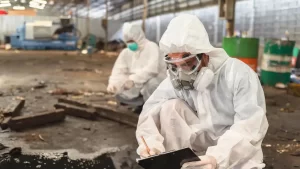
Before any removal begins, a certified asbestos survey is conducted to identify potential hazards. Inspectors assess all areas of the building, including walls, ceilings, floors, and mechanical systems. Surveys are critical for detecting hidden asbestos and informing a safe and effective removal strategy.
Step 2 – Inspection and Testing
After the survey, certified inspectors perform thorough testing to confirm the presence of asbestos fibers.
Advanced equipment is used to detect even minute traces of asbestos, helping prevent unexpected exposure during the removal process.
Step 3 – Containment and Safety Measures
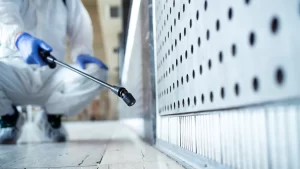
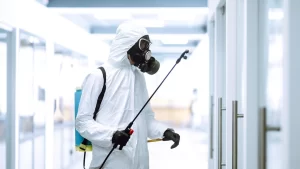
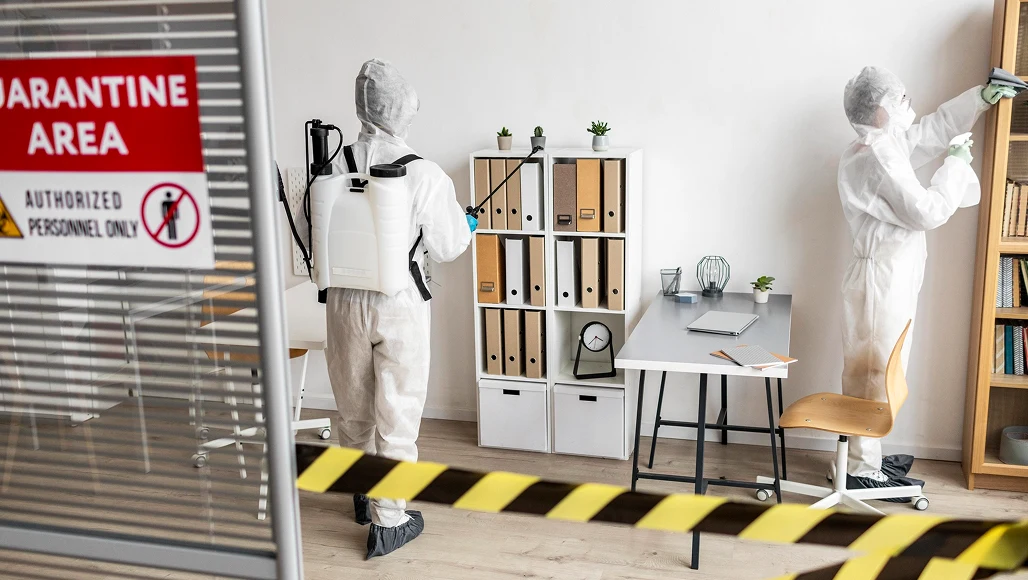
Containment zones are established to prevent the spread of asbestos fibers.
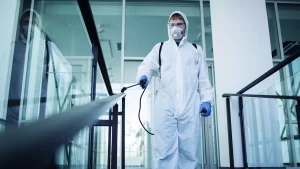
Negative air machines, HEPA filtration systems, and full personal protective equipment are used to safeguard students, staff, patients, and maintenance personnel.
Step 4 – Safe Removal of Asbestos
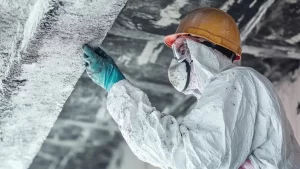
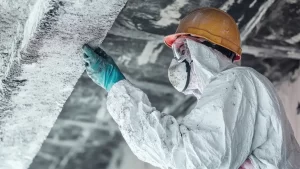
Certified contractors remove asbestos-containing materials (ACMs) in strict accordance with safety protocols and local regulations.
The process includes carefully cutting, removing, and handling hazardous materials.
Work is often scheduled in phases or after hours to minimize disruption to schools and hospitals.
Step 5 – Proper Disposal
All asbestos waste is securely transported to EPA-approved hazardous waste facilities.
Proper documentation is maintained throughout the disposal process to ensure full regulatory compliance and safety verification.
Step 6 – Post-Removal Cleaning and Air Quality Testing
After removal, all affected areas are thoroughly cleaned and air quality testing is performed to confirm that no asbestos fibers remain.
Clearance testing ensures the building is safe for re-occupancy and meets all federal and California regulatory standards.
Common Areas in Schools and Hospitals That May Contain Asbestos
While asbestos can be found in almost any building material, these are the most common areas in public buildings:
- Insulation in walls, ceilings, attics, and basements
- Flooring materials, including vinyl tiles and adhesives
- Popcorn ceilings, textured coatings, and ceiling tiles
- Roofing and siding materials
- Pipe insulation and HVAC ductwork
- Cement boards and panels
Given the potential for hidden asbestos, routine inspections and professional testing are essential, especially before renovation or demolition.
Why Partner With California Certified for Asbestos Removal
Licensed and Experienced Team
California Certified has been a trusted asbestos abatement contractor in Los Angeles since 1989 (CSLB #574974).
Our OSHA-certified team has extensive experience safely handling asbestos in schools, hospitals, and other high-occupancy facilities.
Full-Service Asbestos Abatement
We manage every stage of the asbestos remediation process, including surveys, testing, removal, disposal, and post-abatement clearance.
This end-to-end approach ensures full compliance with local, state, and federal regulations.
Tailored Solutions for Public Buildings
Our team develops customized project plans designed to minimize disruptions to daily operations.
Evening, weekend, and phased removals help keep classrooms open and hospital services running without interruption.
Safety-First Approach
Advanced containment methods, HEPA filtration systems, and strict safety protocols are used to protect occupants, staff, and visitors throughout the abatement process.
Free Consultation and Estimates
California Certified offers upfront pricing and free consultations. Schedule your consultation today to plan a safe, efficient asbestos remediation project.
How to Identify Potential Asbestos Issues Before It’s Too Late
Early detection is key to preventing asbestos-related health and legal risks. Signs of potential asbestos hazards include:
- Aging or deteriorating insulation, floor tiles, and ceiling materials
- Buildings constructed before 1980
- Evidence of damaged roofing or siding
- Previous renovations that may have disturbed ACMs
DIY testing is strongly discouraged. Certified inspectors are trained to identify asbestos safely and accurately, ensuring proper removal and compliance.
Asbestos in schools and hospitals poses serious health, legal, and financial risks that require prompt attention. Professional remediation protects occupants, ensures regulatory compliance, and prevents costly lawsuits or shutdowns. Contact California Certified at 1-800-758-6266 or contact@cacertified.com for a free consultation and keep your building safe and asbestos-free.
Frequently Asked Questions
Class III: Work that may disturb asbestos, including insulation removal or wall drilling.