
Commercial property owners in Los Angeles face a unique set of challenges, including managing complex buildings, multiple tenants, strict regulatory requirements, and high occupancy spaces. Mold is often overlooked until it becomes a visible or disruptive problem. Unfortunately, mold is not a harmless nuisance; it compromises indoor air quality, damages structures, disrupts business operations, and exposes owners to legal and financial liability. California classifies mold as a regulated health and safety concern, so failing to perform timely inspections can result in fines, tenant complaints, operational disruptions, and costly remediation.
This article explores the financial, legal, and operational consequences of skipping mold inspections and explains why partnering with California Certified’s Commercial Mold Remediation team is the most effective way to protect your property.
The Hidden Costs of Skipping Mold Inspections
Mold thrives in damp, humid, or water-damaged areas. Even minor leaks, condensation issues, or poorly ventilated spaces create an ideal environment for growth. Without professional inspections, mold often spreads silently behind walls, underneath flooring, and inside HVAC systems, remaining undetected for weeks or months.
Escalating Structural Damage
When mold is left untreated, it gradually deteriorates building materials. The impact is often more severe than property owners anticipate. Common issues include:
- Weakened building materials: Mold compromises drywall, ceiling tiles, and wood framing, making walls and floors unstable.
- Insulation and HVAC contamination: Mold can embed into insulation, ductwork, and vents, reducing energy efficiency and potentially spreading spores throughout the building.
- Costly reconstruction: Early leaks or minor water damage can evolve into structural damage requiring partial demolition or full-scale repairs.
Even a small, unnoticed mold colony can escalate to thousands of dollars in repairs if inspections are delayed.
Disrupted Operations and Lost Rental Income
Commercial tenants depend on safe, functional spaces. Mold infestations can force closures or limit occupancy, leading to:
- Temporary operational shutdowns for offices, retail spaces, restaurants, or medical facilities
- Loss of rental income or tenant relocation claims
- Lease terminations or renegotiations to compensate tenants
In high-demand Los Angeles areas like Beverly Hills, Santa Monica, or Pasadena, even short-term disruptions can significantly impact cash flow.
Tenant Dissatisfaction and Reputation Damage
Mold issues also affect long-term business reputation. Tenants, customers, and employees notice odors, health impacts, or visible damage, which can escalate into complaints or legal actions. Consequences include:
- Reports to local health authorities
- Negative online reviews impacting future leasing potential
- Legal claims for negligence, especially when no inspection records exist
Maintaining proactive mold inspection practices can prevent these issues and preserve tenant trust.
Legal Liability: How Mold Turns Into a Lawsuit
California regulations do not treat mold as a simple maintenance issue. Skipping inspections exposes commercial property owners to serious legal and financial risks.
California Mold Laws and Regulations
Owners must comply with several statutes:
- Cal/OSHA Title 8, Section 5199: Requires employers to maintain safe indoor air quality.
- Labor Code §6400: Mandates identification and correction of environmental hazards, including mold.
- Senate Bill 655: Classifies mold as a public health nuisance and allows buildings to be labeled “substandard.”
- California Building Standards Code (Title 24): Establishes ventilation and indoor air quality requirements for commercial buildings.
Failure to comply can lead to fines, citations, or the designation of a building as unsafe or substandard.
Tenant and Employee Lawsuits
Negligence claims can arise even in the absence of visible mold. Common legal issues include:
- Breach of habitability claims for tenants
- Personal injury lawsuits for respiratory or allergy-related conditions
- Business interruption claims due to operational shutdowns
These claims are particularly likely if inspection records are missing, making proactive inspection a critical risk mitigation strategy.
Government Citations and Business Closure
When mold is left unaddressed, regulatory authorities such as Cal/OSHA or local health departments may issue:
- Fines for noncompliance
- Closure orders for health hazards
- Mandatory remediation requirements with strict deadlines
Routine inspections provide documentation that demonstrates proactive management and reduces the likelihood of penalties.

Indoor Air Quality: The Overlooked Threat
Mold directly impacts indoor air quality (IAQ), affecting tenant health and regulatory compliance. Skipping inspections allows spores to circulate unchecked, increasing exposure and liability.
Health Impacts on Occupants
Airborne mold spores can cause:
- Respiratory irritation, sneezing, and chronic coughing
- Itchy or watery eyes and sinus problems
- Headaches, fatigue, or general malaise
- Aggravated asthma or other long-term respiratory conditions
Even low-level mold exposure can trigger complaints that escalate into legal and operational problems.
Compliance With IAQ Standards
California regulations require owners to:
- Maintain proper ventilation throughout the building
- Prevent airborne contamination through early detection and remediation
- Document inspections, remediation plans, and clearance testing
Regular inspections ensure IAQ compliance and help prevent fines, lawsuits, or operational disruptions.
Why Commercial Buildings Are Especially Vulnerable
Commercial properties face unique risks compared with residential properties. High occupancy, complex HVAC systems, and heavy daily use make mold detection and prevention more challenging.
- Hidden moisture sources: HVAC condensation, roof leaks, plumbing issues, kitchens, restrooms, and storage areas
- High traffic and occupancy: Hospitals, schools, restaurants, hotels, and office buildings accelerate mold spread and complicate remediation efforts
Mold can begin growing within 24–48 hours of water exposure, making early detection essential.
How Routine Mold Inspections Protect Commercial Properties
Regular inspections offer early detection, legal protection, and peace of mind for tenants and property owners.
- Early detection: Moisture meters, thermal imaging, and air sampling uncover hidden growth before it becomes a structural problem.
- Documentation: Detailed inspection reports provide proof of compliance for Cal/OSHA, tenant disputes, and insurance claims.
- Tenant satisfaction: Proactive inspections prevent complaints, reduce turnover, and protect the property’s reputation.
Investing in inspections is often far cheaper than reactive mold remediation or legal settlements.
Why Los Angeles Trusts California Certified
With over 35 years of experience, California Certified is a trusted partner for commercial mold remediation and inspections.
- Licensed and certified: CSLB #574974, following EPA and Cal/OSHA guidelines
- Business-first remediation: Fast, efficient, and minimally disruptive to tenants and operations
- Comprehensive services: Mold remediation, water damage restoration, lead and asbestos inspections, smoke damage cleanup, and structural repairs
Their expertise ensures that commercial buildings in Los Angeles, Beverly Hills, Santa Monica, Pasadena, Long Beach, Culver City, and West Hollywood remain safe, compliant, and operational.

Real Consequences of Ignoring Mold
Ignoring inspections often results in major financial losses:
- Example 1: Minor odor ignored; hidden mold caused $40,000+ in repairs and three weeks of lost rental income.
- Example 2: Retail tenant reported symptoms; lack of inspection records resulted in a successful negligence claim.
- Example 3: Office employees reported respiratory issues; no inspection history led to temporary closure and additional testing.
These examples highlight that the cost of skipping inspections far exceeds the cost of proactive maintenance.
Warning Signs That Require Immediate Inspection
Owners should not ignore:
- Musty or damp odors
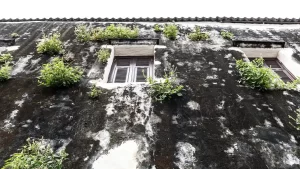
- Visible mold growth or staining
- Peeling paint, warped wood, or discoloration
- Health complaints among tenants or employees
- Recent water intrusion, flooding, or leaks
Early detection through professional inspection can prevent severe damage and legal exposure.
Skipping mold inspections can lead to costly structural damage, legal liability, lost rental income, and tenant dissatisfaction. Proactive inspections allow property owners to detect hidden mold early, address moisture problems, maintain compliance with California regulations, and protect indoor air quality. Beyond avoiding fines and lawsuits, inspections preserve your property’s reputation and long-term value, making them a smart investment rather than an expense. Safeguard your building, tenants, and revenue by scheduling a professional mold inspection with California Certified today.